One of the most widespread rumors circulating among prospective Tesla buyers is that installing an aftermarket vinyl wrap or paint protection film will void your vehicle’s factory warranty. Given that Tesla vehicles rely heavily on complex electronic sensor suites, exterior camera housings, and high-voltage battery cooling channels, owners understandably want assurance that cosmetic modifications will not jeopardize multi-thousand-dollar warranty claims.
The definitive legal and technical reality is that wrapping a Tesla does NOT void your factory warranty. However, improper installation technique—such as covering camera apertures, slicing wiring harnesses, or blocking thermal air intakes—can lead to localized warranty claim denials. Below is the comprehensive guide analyzing federal warranty laws, sensor safety protocols, and certified installation best practices.
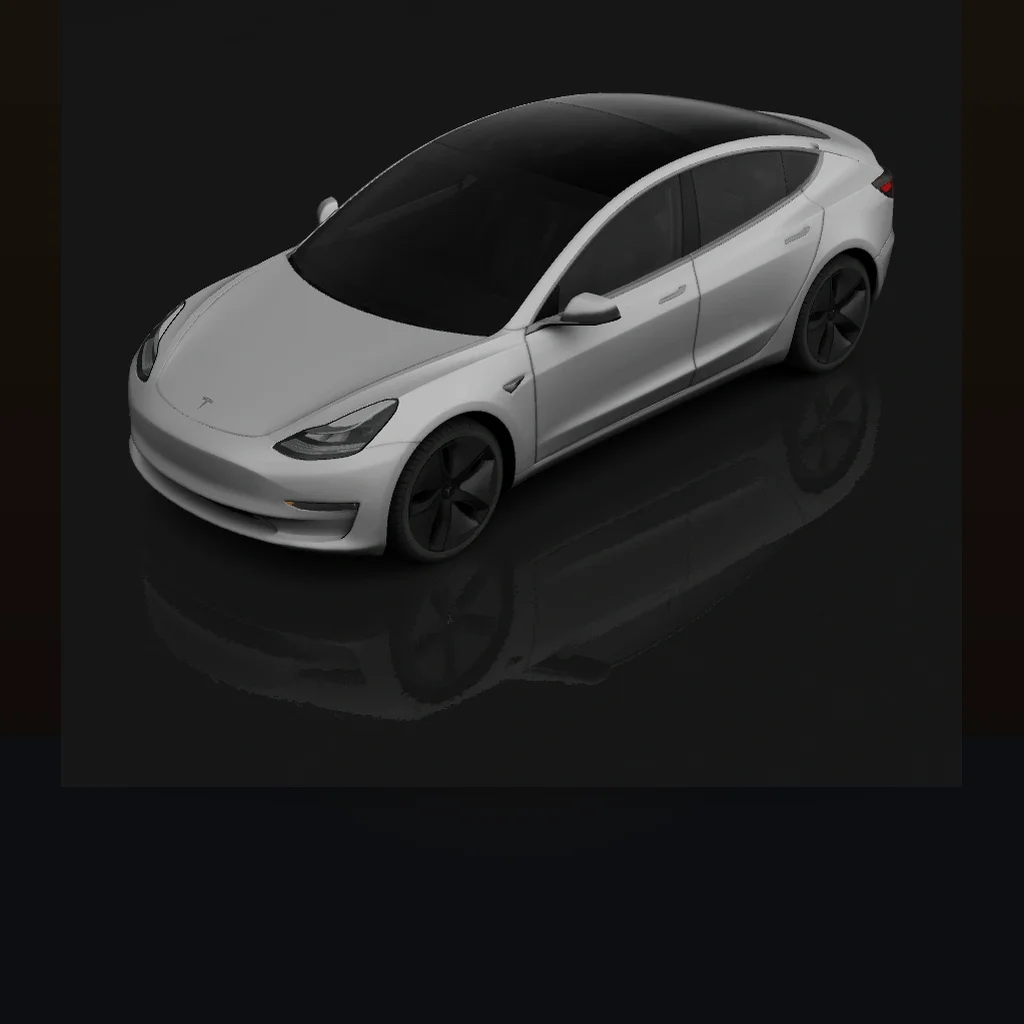
Professional wrap installations leave critical Autopilot optical cameras and thermal cooling louvers completely unobstructed to preserve factory warranty integrity.
Federal Protection: The Magnuson-Moss Warranty Act
Under United States federal law, specifically the Magnuson-Moss Warranty Act (15 U.S.C. § 2302), auto manufacturers are legally prohibited from voiding a vehicle’s warranty simply because an owner installed aftermarket parts or non-original cosmetic films.
To legally deny warranty coverage for a failed component, Tesla Service Centers must prove through conclusive evidence that the aftermarket modification directly caused the malfunction.
For instance:
- If you wrap your Tesla Model Y in satin black and your high-voltage drive unit or battery pack fails 6 months later, Tesla cannot deny warranty coverage. A cosmetic film applied to exterior sheet metal has zero physical or electrical connection to powertrain mechanics.
- However, if an inexperienced installer uses a metal razor blade to trim vinyl around a side repeater camera, slices the low-voltage wiring harness, and causes an electrical short, Tesla has the legal right to decline warranty coverage for that specific camera repair.
How Vinyl Wraps Interact with Tesla Hardware
Modern Tesla vehicles are essentially high-powered computers on wheels. Experienced restyling technicians follow strict protocols to prevent interference with vehicle electronics:
| Tesla Hardware Component | Location and Function | Risk of Improper Wrap Installation | Certified Installer Safeguard |
|---|---|---|---|
| Side Repeater Cameras | Front quarter panels (Autopilot / FSD) | Blocked lens or damaged harness clips during removal | Professional knifeless tape; zero razor blades near lenses |
| B-Pillar Cameras | Between front and rear side door glass | Optical glare if vinyl film overlaps glass edge | Film wrapped flush up to glass trim without overlap |
| Ultrasonic Sensors (USS) | Front and rear bumpers (older models) | False obstacle alerts if thick film covers sensor head | Precision circular cutouts around silicone sensor gaskets |
| Active Grille Louvers | Lower front bumper chin (Heat pump intake) | Overheating if louvers are taped shut or restricted | Louver blades left completely un-wrapped for airflow |
| Exterior Door Handles | Flush door skin motorized/manual levers | Sticking or mechanical resistance if edges bind | Disassembled by hand or trimmed with 1/8-inch clearance |
Ultrasonic Sensors vs. Tesla Vision Radarless Systems
How vinyl wraps affect driver assistance systems depends significantly on your Tesla’s model year:
1. Vehicles with Ultrasonic Sensors (Pre-2023 Models)
Older Tesla vehicles feature round ultrasonic sensor circles in the front and rear bumpers. Standard 3.5-mil cast vinyl wrap can technically be stretched over ultrasonic sensors without completely blocking ultrasonic sound waves, but doing so frequently causes erratic false-positive obstacle warnings in rainy weather. Certified shops use specialized punch dies to cut exact circular reliefs around each sensor head, preserving factory acoustic sensitivity.
2. Tesla Vision Vehicles (2023 and Newer Models)
Newer Tesla vehicles rely entirely on optical cameras rather than ultrasonic sensors or radar. Because the cameras are housed behind windshield glass, B-pillar glass, and side repeater housings, wrapping the body panels poses zero interference with Tesla Vision distance estimation, provided the technician does not overlap vinyl onto optical lenses.
Key Questions to Ask Your Wrap Shop Before Booking
To ensure your factory warranty remains 100% intact, ask prospective wrap installers these questions:
- “Do you completely disassemble the vehicle, or do you wrap with minimal tear-down?” Premium Tesla specialists know how to pop out taillights and side repeaters without snapping fragile plastic retention clips. Inexperienced shops often pry trims aggressively, damaging weather seals.
- “Do you use metal blades directly on body panels?” Never permit an installer to score vinyl on bare paint. Reputable shops rely on 3M Knifeless Tape for all straight edge trims.
- “Do you post-heat deep recesses with a digital infrared thermometer?” Under-heated film will bridge and lift over time, but excessive heat gun temperatures can warp plastic bumper covers and damage nearby radar modules.
Plan Your Dream Tesla Design Risk-Free
You don’t need to risk warranty complications or design uncertainty. Test custom color combinations, evaluate matte vs. gloss sheens, and visualize your vehicle in accurate 3D before visiting a restyling shop.
Ready to design? Preview Your Custom Tesla Wrap in Real-Time 3D right in your browser.
Related Guides and Reading
- How Much Does It Cost to Wrap a Tesla in 2026? — Comprehensive price breakdown covering vinyl materials, labor hours, and shop fees.
- Can You Wrap a Leased Tesla? Rules and Removal Guide — Everything you need to know about Tesla Finance lease agreements.
- Tesla Vinyl Wrap vs. Paint Protection Film (PPF) — Evaluate thin vinyl color changes against thick self-healing TPU armor.
- Best Tesla Wrap Colors: Top Trends, Finishes and 3D Preview — Popular satin black, nardo grey, rose gold, and chameleon wrap trends.