When deciding how to personalize and protect your Tesla, the debate almost always centers around two distinct technologies: traditional vinyl wrap and paint protection film (PPF). While both products adhere to exterior body panels, they are engineered for fundamentally different objectives.
Standard vinyl is an aesthetic color-change film designed to alter your car’s shade without repainting. Paint protection film, by contrast, is a heavy-duty, self-healing thermoplastic urethane barrier engineered specifically to absorb highway rock strikes, shopping cart dings, and environmental abrasions. Below is an objective, technician-grade breakdown comparing costs, material physics, lifespan, and daily maintenance.
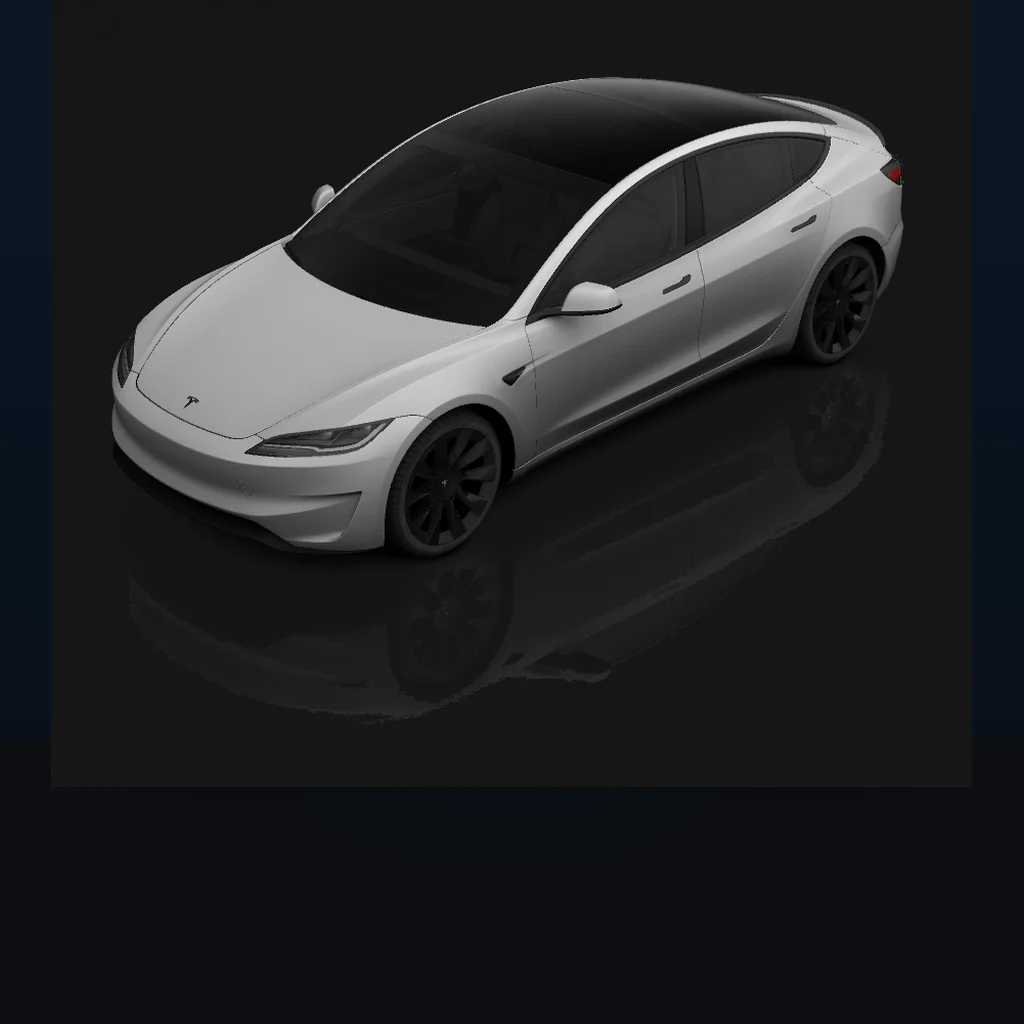
Comparing colored PPF against cast vinyl reveals major differences in film thickness, tensile strength, and impact resistance across road debris.
Vinyl Wrap vs. PPF vs. Color PPF: The Technical Breakdown
Understanding the physical construction of each film category clarifies why professional pricing varies by thousands of dollars:
| Evaluation Factor | Standard Cast Vinyl (3M / Avery) | Clear PPF / Stealth (XPEL / SunTek) | Modern Colored PPF (STEK / Inozetek) |
|---|---|---|---|
| Primary Objective | Radical aesthetic color change | Invisible chip and scratch defense | Vibrant custom color plus rock defense |
| Material Chemistry | Cast Polyvinyl Chloride (PVC) | Thermoplastic Polyurethane (TPU) | Pigmented Thermoplastic Polyurethane |
| Film Thickness | 3.2 – 3.5 mil (80 – 90 microns) | 7.5 – 8.5 mil (190 – 215 microns) | 8.0 – 8.5 mil (200 – 215 microns) |
| Stone Chip Resistance | Very Low (film punctures easily) | Extreme (absorbs gravel strikes at 80mph) | Extreme (absorbs gravel strikes at 80mph) |
| Self-Healing Topcoat | None (scratches remain permanent) | Yes (heat-activated polymer reflow) | Yes (heat-activated polymer reflow) |
| Orange Peel Texture | Mild texture on high-gloss finishes | Glass-smooth optical clarity | Mirror-like wet paint reflection |
| Expected Lifespan | 3 to 5 years | 7 to 10 years | 7 to 10 years |
| Average Installed Cost | $2,200 – $3,600 | $4,500 – $6,200 | $5,000 – $7,000 |
Protection Capabilities: Can Vinyl Stop Rock Chips?
The most common misconception among new Tesla owners is assuming that a standard vinyl wrap protects paint against highway debris.
At only 3.2 to 3.5 mils thick, automotive vinyl functions essentially like heavy-duty colored sticker film. When a piece of loose highway gravel strikes your front bumper at 70 mph, it will pierce straight through vinyl film, chipping the thin waterborne paint underneath. Vinyl will shield against minor swirl marks, bird droppings, and UV clear-coat oxidation, but it is not engineered for structural impact resistance.
Paint Protection Film (PPF), in contrast, measures between 7.5 and 8.5 mils—more than double the thickness of vinyl. Its aliphatic TPU matrix possesses high tensile elasticity, enabling it to absorb kinetic energy from flying road gravel, disperse the impact force laterally, and self-heal swirl marks when exposed to engine bay heat or summer sunshine.
The Rise of Color PPF: The Ultimate Hybrid Solution
Historically, drivers faced a difficult dilemma: choose vinyl for bold custom colors, or choose clear PPF for stone protection.
In recent years, the restyling industry introduced Colored PPF. By infusing automotive pigments directly into genuine 8-mil TPU film and capping it with a ceramic-infused self-healing clear coat, colored PPF delivers the best of both worlds:
- Flawless Wet-Paint Reflection: Unlike gloss vinyl wraps that often display slight orange-peel texture, colored PPF delivers deep, mirror-flat reflections indistinguishable from a $15,000 custom multi-stage paint job.
- 7- to 10-Year Durability: While vinyl degrades after 3 to 4 years of intense southern UV radiation, TPU films carry manufacturer warranties up to 10 years against yellowing, bubbling, or cracking.
- Painless Removal: When it is time to remove the film, PPF releases cleanly without leaving stubborn adhesive residue or tearing into tiny brittle fragments.
How to Decide: Which Option Fits Your Budget and Driving Style?
Select the material that aligns with your commute profile and ownership horizon:
Choose Standard Cast Vinyl Wrap If:
- You want to change your Tesla’s color for under $3,500.
- You lease your vehicle for 2 to 3 years and plan to peel the wrap before return.
- You crave exotic finishes like satin chrome, brushed titanium, camouflage, or anime liveries.
- Your Tesla is driven primarily on low-speed city streets with minimal highway gravel risk.
Choose Colored or Stealth PPF If:
- You drive heavy highway mileage and want absolute immunity from front bumper rock chips.
- You plan to keep your Tesla for 5+ years and want a durable 10-year warranty.
- You want the finish to self-heal minor car-wash scratches automatically.
- You have the budget to invest $5,000 to $7,000 in premium vehicle preservation.
Test Color Combinations in Interactive 3D
Regardless of whether you choose vinyl or colored TPU, picking the right shade remains the most critical decision.
With our real-time 3D visualizer, you can preview gloss, satin, and matte materials across accurate Tesla vehicle geometry, test two-tone roofs, and eliminate color regret.
Explore your possibilities now: Preview Your Custom Tesla Wrap in Real-Time 3D right in your browser.
Related Guides and Reading
- How Much Does It Cost to Wrap a Tesla in 2026? — Comprehensive price breakdown covering materials, shop hours, and hidden fees.
- Best Tesla Wrap Colors: Top Trends, Finishes and 3D Preview — Popular satin black, nardo grey, rose gold, and chameleon wrap trends.
- Tesla Cybertruck Wrap Colors, Costs and Materials Guide — Stainless steel prep, color options, and full visualizer tips for Cybertruck owners.
- Can You Wrap a Leased Tesla? Rules and Removal Guide — How to protect your leased vehicle without violating Tesla Finance agreements.