Investing $2,000 to $4,500 into a custom Tesla vinyl wrap naturally prompts a vital question: How long will it actually last before fading, peeling, or cracking?
While marketing brochures claim theoretical lifespans of up to seven years, real-world longevity depends heavily on material chemistry (cast vs. calendered vs. TPU), geographic climate conditions, UV radiation levels, and parking routines. Understanding what degrades automotive vinyl—and how to properly maintain it—ensures you extract maximum value while protecting your underlying factory paint.
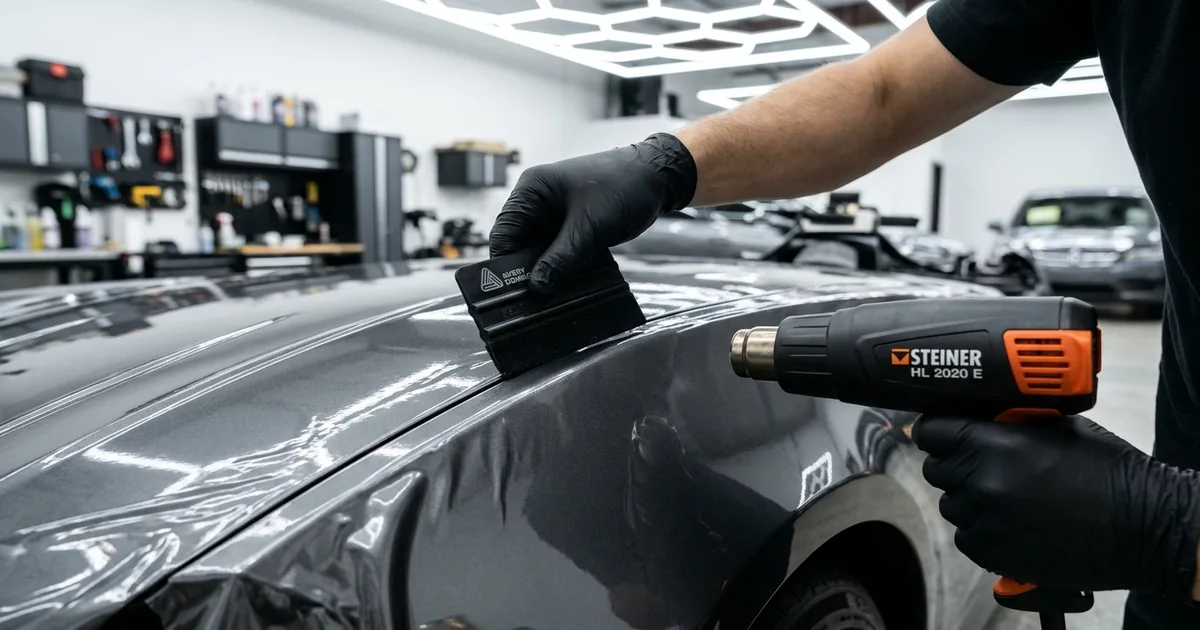
High-grade cast vinyl wraps provide three to five years of vibrant color and paint preservation when cared for properly.
The Real-World Longevity Spectrum: Material Breakdown
Different film technologies exhibit drastically different lifespans under daily driving conditions:
1. Premium Cast Vinyl (3M 2080, Avery Dennison SW900)
- Average Lifespan: 3 to 5 years (vertical panels); 2 to 3 years (horizontal surfaces in sunny regions).
- Characteristics: Manufactured by pouring liquid PVC onto a casting sheet, cast vinyl possesses no internal mechanical memory. It stretches effortlessly around complex Tesla bumpers without shrinking or pulling back over time.
2. High-Gloss PET Polymeric Films (Inozetek, Hexis)
- Average Lifespan: 3 to 4 years.
- Characteristics: Produces an ultra-slick, zero orange-peel finish that rivals automotive clear coat. However, the stiffer carrier film requires diligent post-heating during installation to prevent edge lifting in cold weather.
3. Thermoplastic Polyurethane (TPU) Color PPF
- Average Lifespan: 7 to 10 years.
- Characteristics: Colored paint protection film is nearly twice as thick as vinyl (8 mil vs. 3.5 mil) and incorporates a self-healing elastomeric top coat that resists rock chips, chemical etching, and severe UV degradation.
Durability Comparison Matrix
| Wrap Technology | Typical Thickness | Expected Lifespan (Garage Kept) | Expected Lifespan (Outdoor Sun) | Rock Chip Resistance | Removal Difficulty at 5 Years |
|---|---|---|---|---|---|
| Premium Cast Vinyl | 3.2 – 3.8 mil | 4 – 5 years | 2.5 – 3.5 years | Low (scratches/punctures) | Easy (leaves minimal adhesive residue) |
| Budget Calendered Vinyl | 4.0 – 5.5 mil | 1.5 – 2 years | 1 year | Very Low (shrinks and cracks) | Difficult (bakes into paint, shreds) |
| PET Premium Vinyl | 3.5 – 4.2 mil | 3 – 4 years | 2 – 3 years | Low to Moderate | Moderate |
| Color TPU PPF | 7.5 – 8.5 mil | 8 – 10 years | 5 – 7 years | Extreme (absorbs gravel strikes) | Easy (thick urethane pulls off in large sheets) |
The 4 Primary Enemies of Automotive Vinyl
If your Tesla wrap fails prematurely, one of these four environmental culprits is almost always responsible:
- Ultraviolet (UV) Radiation: Solar radiation is the number one cause of wrap degradation. UV rays break down the plasticizers within PVC film, rendering the vinyl brittle and causing bright pigments (especially reds and purples) to oxidize and fade.
- Horizontal Solar Exposure: The hood, trunk lid, and front fenders absorb up to four times more direct solar radiation than vertical door panels. Horizontal panels will always show degradation 12 to 18 months before vertical surfaces.
- Acidic Environmental Contaminants: Bird droppings, tree sap, and baked-on bug splatter contain concentrated acids. If left on vinyl under hot summer sun, they will chemically etch through the top laminate within 48 hours.
- Road Salt and De-Icing Chemicals: Winter driving in northern states coats lower rocker panels in magnesium chloride and calcium chloride. If not rinsed off promptly, these salts degrade the bottom adhesive edge.
The Danger of Leaving a Wrap on Too Long
One of the biggest mistakes Tesla owners make is leaving a vinyl wrap on past its prime:
- Adhesive Baking: After year four of relentless outdoor sun, the vinyl adhesive layer begins to cure permanently into the microscopic pores of your clear coat.
- Brittle Cracking: When degraded vinyl dries out, it fractures into thousands of brittle fingernail-sized chips. Stripping aged, cracked vinyl can require 20+ hours of painstaking scraper labor and caustic chemical removers, costing upwards of $1,000 in removal labor alone.
- Golden Rule of Wrap Ownership: Remove or replace your vinyl wrap as soon as you notice slight discoloration or chalkiness on horizontal panels. At that stage, the film will still peel off smoothly in large, clean sheets without damaging your factory paint.
Pro Tips to Extend Your Wrap’s Lifespan
- Park in the Shade or Garage Whenever Possible: Shielding your vehicle from midday solar heat is the single most effective way to add two full years to your wrap’s lifespan.
- Apply a Ceramic Coating: Coat the vinyl with an automotive ceramic coating designed specifically for vinyl films. The hydrophobic surface repels water spots and filters out harmful UV wavelengths.
- Use Touchless Car Washes Only: Avoid mechanical brush washes whose abrasive bristles leave fine swirl scratches across gloss finishes.
Curious to test how different colors and finishes will look on your car before scheduling your wrap? Preview Your Custom Tesla Wrap in Real-Time 3D right in your web browser.
Related Guides and Reading
- How Much Does It Cost to Wrap a Tesla in 2026? — Comprehensive pricing guide covering vinyl materials, labor hours, and shop choices.
- Tesla Vinyl Wrap vs. Paint Protection Film (PPF) — Compare 3-year vinyl wraps against 10-year self-healing TPU armor.
- Can You Wrap a Leased Tesla? Rules and Removal Guide — How to ensure easy, clean wrap removal before lease inspection.
- Best Tesla Wrap Colors: Top Trends, Finishes and 3D Visualizer — The definitive guide to selecting durable, trending wrap colors.
- Does Wrapping a Tesla Void the Warranty? — Complete analysis of Autopilot sensors, cameras, and factory warranty terms.